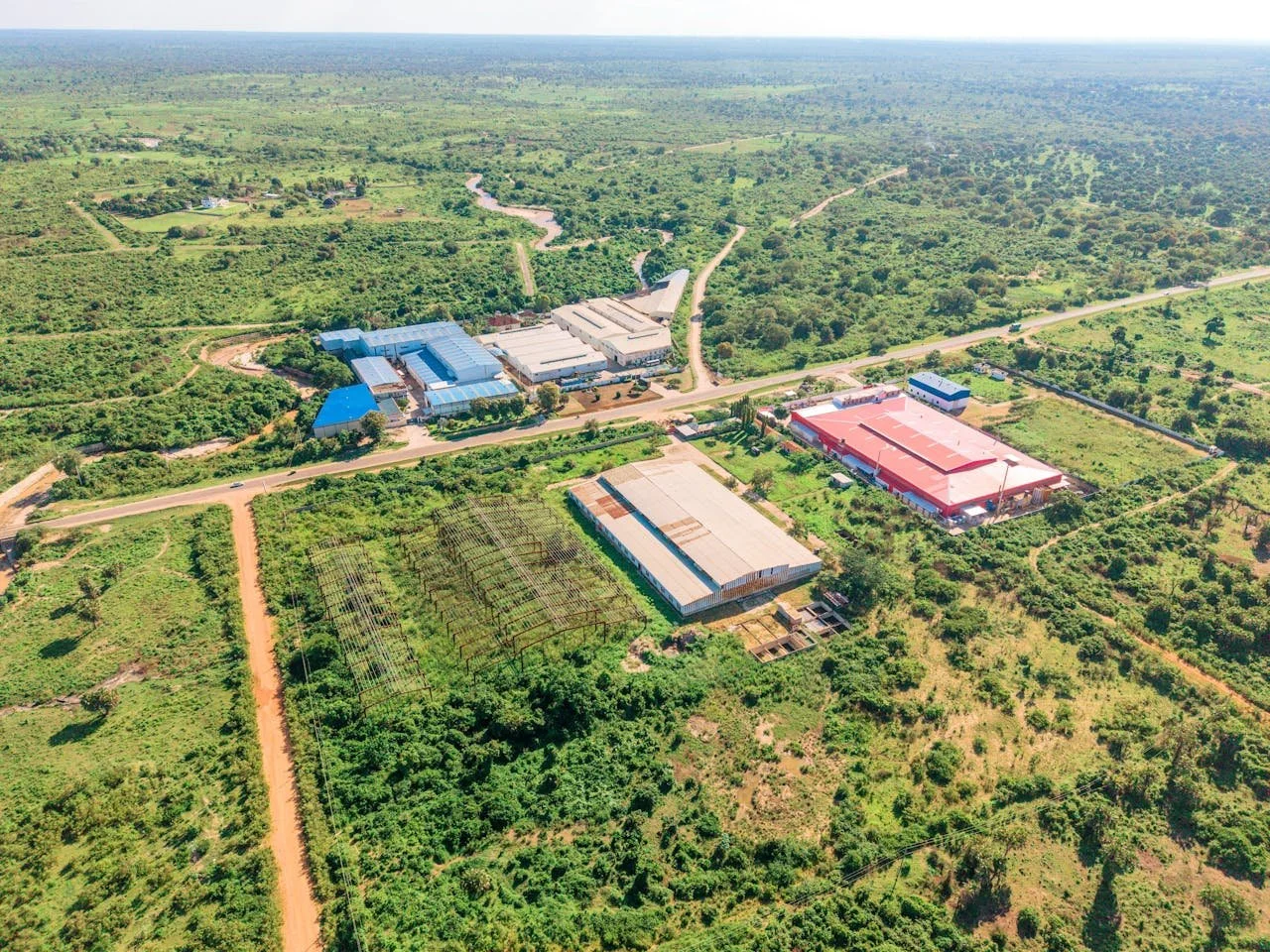
Communications Infrastructure Planning | Nationwide
Eirfield plans the communications system from the first design phase, before it becomes an improvised decision on a job site, so the asset you are building performs the day it opens .
Every discipline in your project plans a piece of the building. Not one of them plans the system that carries everything else

The Moment You Already Know
You have built enough to know how this goes. The structure is designed. The systems are engineered. The drawings are approved. And somewhere near the end, a question about the network, the risers, the carrier access, or the pathways surfaces with no clear owner. It gets answered on the site, by whoever is standing there, in the way that is fastest rather than the way that is right.
Then it returns to you. As a change order. As a delay. As a building, a tenant finds a date on the day they tour it.
That gap is not a failure of your team. It is a gap in how the industry assigns responsibility, and it is expensive precisely because no one is watching it.
Three Decisions You Get To Make Well
Every project makes these three decisions, whether or not anyone names them out loud. The only question is whether you make them with the full picture in front of you, or discover them after the concrete has cured.
The Connectivity Decision
Your new commercial building opens. Connectivity is unreliable from day one.
Fiber was not part of the design conversation. The retrofit you are now paying for costs more than prevention would have and it still will not be as good.
The Root-Cause Decision
When the same issue returns to the same place, it is rarely a maintenance problem. It is usually a planning question that has been paid for as a maintenance expense, year after year. Tracing it to its origin once is a decision that ends the cost for good.
The Pathway Decision
The routes your conduits and corridors take are set once and live for the entire life of the asset. With the full infrastructure picture in front of you, the site design holds. Without it, a conflict surfaces mid-construction and the site design bends to absorb it. The difference between those two outcomes is information, and it is available before the slab is ever poured.

THE SYSTEM THAT NEVER HAD A COORDINATOR
The design process already coordinates the most complex systems in the built world. Mechanical. Electrical. Plumbing. Each one has its own drawings, its own specifications, and its own owner at the table.
Communications infrastructure, the pathways and spaces that carry everything your tenants depend on, has never had that seat. It is the one system with no assigned coordinator, so it is resolved last, on the site, by whoever happens to be standing there.
Eirfield takes that seat. Not to design the system, and not to replace your engineers, but to plan it, coordinate it, and hand your team the direction that guides their work. You gain a coordinator for the one system that never had one.
This works because Eirfield reads a site the way the people who built the network read it. When a routing question or a dead zone appears, the answer is specific: whether it lives in the carrier, the distribution, or the pathway already in the ground. That is not a perspective the design table usually holds.
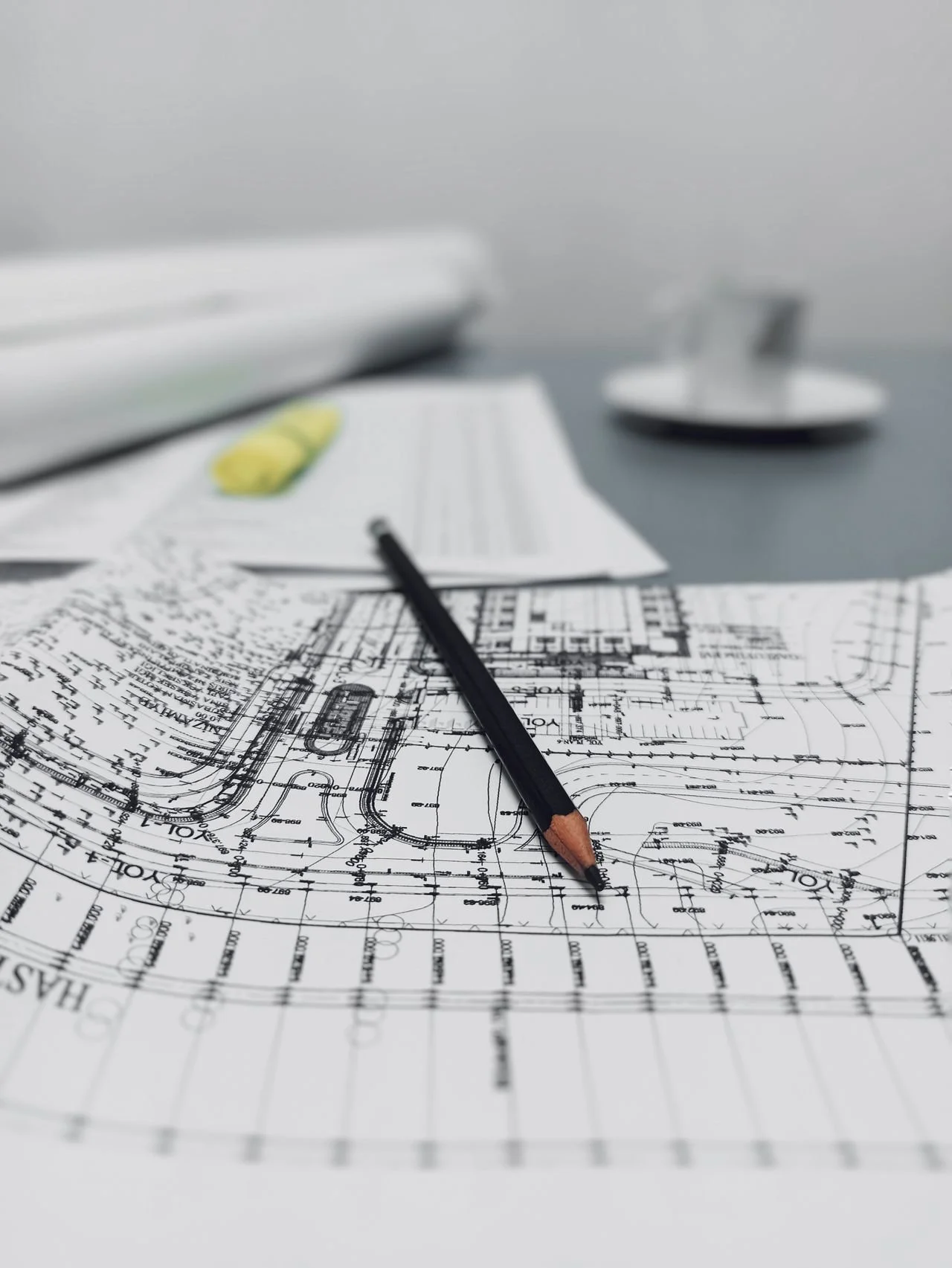
How Eirfield Works With You
Three Engagements. Each Is Designed For A Specific Moment in Your Project.
Before You Build
Infrastructure Readiness Assessment
Is this site viable, and what does it already contain? A clear read on what you are building on, before anyone commits to a plan that assumes something untrue.
As You Plan
Communications Infrastructure Planning
How should the communications infrastructure be planned so your site design holds rather than reverses? A Site Master Plan that your design team builds from, with the intent of the drawings, so that a technician does not have to guess while on site.
Through Your Coordination
Carrier and Utility Coordination
Who keeps pace with carriers, utilities, and permit authorities while your design team keeps moving? A single point of coordination for the conversations that usually fall through the cracks.
Questions Before You Begin
-
If your project involves site development, a commercial building, municipal infrastructure, or any significant connectivity requirement it has an OSP component. The question is not whether that component exists. The question is whether it enters your project at the planning stage or the crisis stage. One of those is significantly less expensive than the other
-
Architecture covers what is built above and on the land. Engineering covers the structural and mechanical systems. Neither discipline is trained to coordinate communications infrastructure with carriers, utilities, and permit authorities. Eirfield occupies that specific seat, the one your current team was never asked to fill.
-
It is not too late, though the scope changes with your stage. In pre-design, Eirfield plans the infrastructure alongside the site. Mid-design, the work becomes coordination and conflict resolution. Every stage still benefits from a clear read. The strategy session will tell you exactly what is possible from where you stand.
-
Forty-five minutes. You describe the project and the challenge. Eirfield provides a direct read on the infrastructure situation, what is visible from the information you bring, what questions need answering, and whether there is a clear engagement scope. It is a billable consultation, not a sales call. You will leave with more clarity than you arrived with, regardless of whether a full engagement follows.
-
Commercial developments, municipal infrastructure projects, large-format residential, mixed-use and industrial sites, wastewater treatment and utility-dense environments, and data infrastructure sites. If your project involves site development and connectivity requirements, there is likely an OSP component worth examining.
-
All engagements are based on scope after the paid strategy session. The scope and fee are agreed upon before work begins. There is no ambiguity about what the engagement covers. The strategy session fee is separate and applied toward the engagement if you move forward.
-
Bring the project to the strategy session. Identifying the correct entry point is the first thing the session does. If you have read the three service descriptions and still cannot determine which one fits, We can schedule a paid session to discuss what works for your project.
The First Step
Begin with a paid strategy session. Eirfield reviews your project, identifies where the communications infrastructure stands today, and shows you what it will take to plan it well. You leave with clarity on the one system that determines whether your building performs, and a decision you get to make on your own terms.
Stay In The Know @Eirfield Journal
Weekly on Infrastructure, Land, and the Decisions That Shape the Built Environment